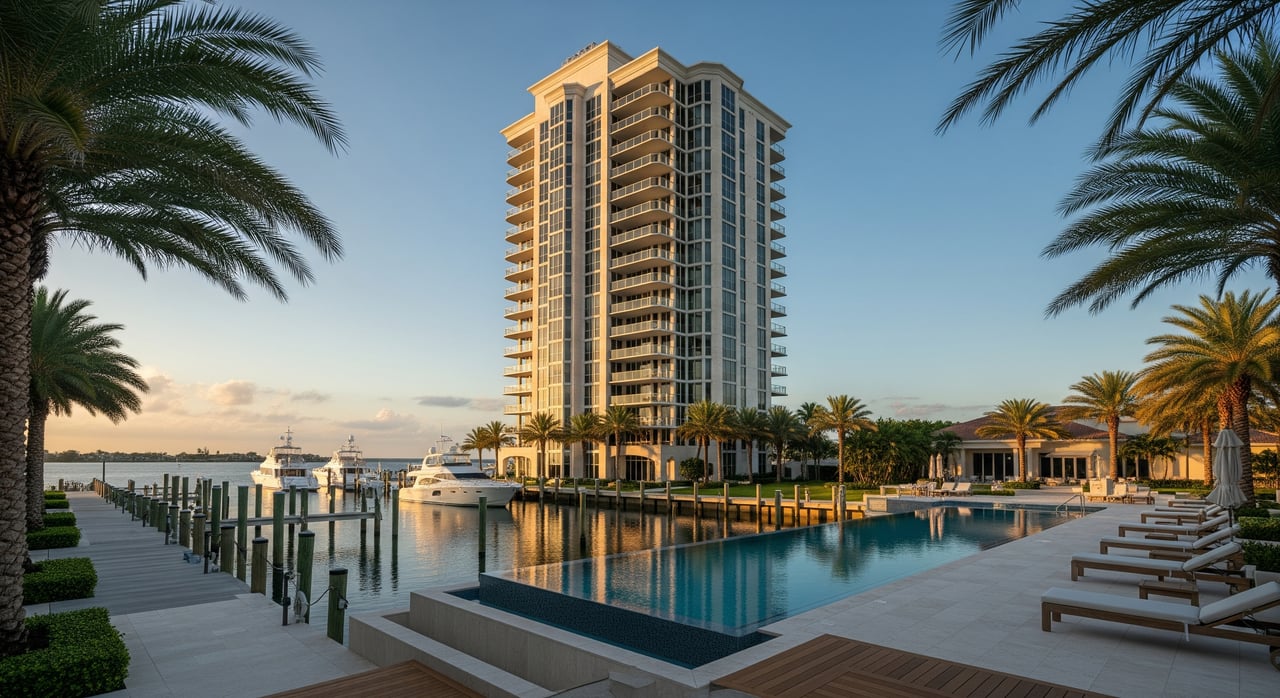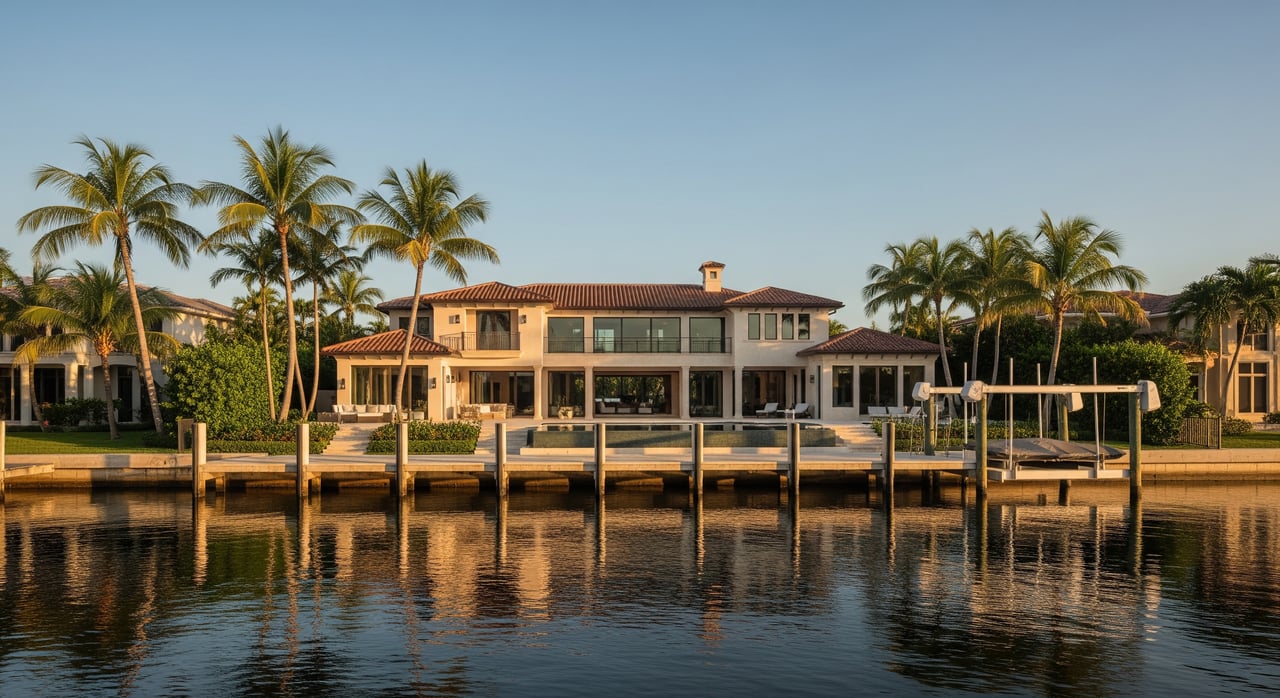
Thinking about turning a Cape Coral home into a short-term rental? You’re not alone. With waterfront living and strong winter demand, the city draws vacationers and second-home buyers year after year. If you want reliable income without headaches, you need clear steps for permits, taxes, and neighborhood rules. This guide walks you through what to check, how to stay compliant, and the practical details that protect your investment. Let’s dive in.
How short-term rentals are regulated
Short-term rentals in Cape Coral sit under several layers of oversight: city rules, county taxes, state tax requirements, and any private HOA or condo restrictions. City regulations can include licensing, safety standards, parking, and nuisance rules. County and state agencies typically handle tourist and sales taxes. Private communities can add stricter rental limits, including minimum stays or outright bans.
Regulations can change, and Florida state law can affect what cities are allowed to require. Always confirm the latest language in the City of Cape Coral Code of Ordinances and check with city departments before you rely on a single rule. If you plan to buy in a community with an HOA or a condo association, review the recorded covenants and rental policies early.
Permits, registration, and what to confirm
Cape Coral’s exact forms and labels can vary, so start with the city’s website and Code of Ordinances. Look for pages related to business tax receipts, short-term or transient rentals, zoning, and code enforcement. As you evaluate a property, confirm the following:
- Business tax receipt or occupational license. Many Florida cities treat a vacation rental as a business use. Verify whether Cape Coral requires a business tax receipt for operating a short-term rental.
- Short-term rental registration. Some cities require a dedicated short-term rental registration or certificate with owner and local manager contact details. Check whether Cape Coral requires initial registration and annual renewal.
- Zoning and use permissions. Confirm the property’s zoning district and whether transient use is allowed. Single-family areas may allow rentals with restrictions on occupancy or parking. Use the city’s zoning map and search the Code for terms such as “transient,” “vacation rental,” or “lodging.”
- Safety and building standards. Expect requirements like smoke detectors, carbon monoxide detectors if applicable, fire extinguishers, egress standards, and pool safety measures. Ask if an inspection is needed before approval or renewal.
- Local contact requirements. Many jurisdictions require a 24/7 local contact for complaints or emergencies. Verify any response-time standards and whether a local manager is mandatory.
- Advertising and posting rules. Some cities require you to display a registration number in listings and post maximum occupancy and emergency contacts inside the property. Confirm Cape Coral’s approach to advertising compliance.
- Parking and trash. Check on-street parking limits, the number of vehicles allowed, and city trash schedules so your turnover plan aligns with neighborhood expectations.
- Inspections and renewals. Ask whether Cape Coral requires initial or periodic inspections, the renewal cycle, and penalties for noncompliance.
- HOA or condo rules. Private restrictions can prohibit or cap short-term rentals even if the city allows them. Obtain the community’s rental policy in writing before you commit.
Taxes, fees, and who pays what
Short-term rental income typically triggers both state and local tax obligations. Plan to register and remit on time to avoid penalties.
- State sales tax. Florida generally requires sales tax on short-term stays. Register with the state and confirm rates and filing frequency.
- County tourist development tax. Lee County typically levies a tourist or bed tax on short stays. Confirm current rates and whether you must file directly with the county.
- Platform collection. Some platforms may collect and remit certain taxes in specific jurisdictions. Do not assume full coverage. As the owner, you are usually responsible for ensuring all taxes are paid correctly.
- City fees. Budget for any business tax receipts, registration fees, inspection charges, and renewals. Review the city’s fee schedule and timelines before setting your launch date.
Enforcement and staying neighbor-friendly
Cape Coral uses code enforcement and police response to handle complaints about noise, parking, and nuisance activity. Common tools include warnings, fines, and suspension or revocation of licenses or registrations. Repeat violations can escalate quickly.
Protect your investment with a proactive plan:
- Set clear house rules. Post limits on occupancy, parking, quiet hours, and dock use if applicable. Keep a visible local contact number for issues.
- Use screening and minimum stays where appropriate. Align your booking policies with local rules and community expectations.
- Stagger turnovers and trash days. Coordinate cleaning and trash placement so bins are on the curb only when allowed.
- Document compliance. Keep copies of registrations, inspection approvals, and tax receipts to resolve questions fast.
Cape Coral neighborhood and operational factors
Each area of Cape Coral has unique logistics, and these details affect both guest experience and returns.
- Waterfront vs. inland. Waterfront homes can command higher nightly rates and attract boaters, but they also bring added complexity, like dock safety and parking considerations. Inland properties may offer simpler logistics and lower carrying costs.
- Seasonality. Southwest Florida typically sees peak demand in winter and lighter demand in summer. Plan pricing, minimum stays, and maintenance projects around this cycle.
- HOA and condo policies. Many associations set minimum stays, require rental registration, or cap the number of rentals at once. An association can prohibit short-term use entirely, regardless of city rules.
- Infrastructure. Confirm sewer vs. septic, trash schedules, and parking space counts. Narrow streets or limited on-street parking can constrain guest vehicles and occupancy.
- Noise sensitivity. Waterfront and entertainment-adjacent areas can attract group stays. Screen bookings and communicate etiquette clearly to reduce complaints.
- Insurance. Many standard homeowner policies exclude short-term rental activity. Obtain coverage that specifically addresses short-term stays, pools, and waterfront exposure.
- Local support. Price and availability vary for cleaners, contractors, and professional managers. Line up your team early, especially for peak season.
Due diligence checklist for buyers and owners
Use this list when you evaluate a Cape Coral property for short-term rental potential:
- Confirm zoning and permitted uses for the parcel in the City of Cape Coral Code and zoning map.
- Check if Cape Coral requires a short-term rental registration or only a business tax receipt; collect forms and fees.
- Verify city, county, and state tax registrations and current rates for filing.
- Search public records for any active code enforcement cases or liens on the property.
- Obtain HOA or condo CC&Rs and written confirmation of rental policies and fines.
- Review the seller’s rental history and tax remittance records, if available.
- Verify safety features and any inspection requirements, including pool and egress standards.
- Determine whether a local contact or manager is required and identify candidates.
- Confirm insurance needs and secure quotes that include short-term rental coverage.
- Build a detailed operating budget for management, cleaning, utilities, fees, taxes, supplies, and reserves.
- Evaluate seasonal demand and comparable properties; consult local managers and analytics tools.
- For waterfront, check dock regulations, marine permits, and flood insurance implications.
- Confirm any advertising requirements, including listing a registration or license number.
- Validate parking capacity and turnover logistics for trash and linens.
Pro forma planning: set realistic targets
A strong pro forma starts with realistic assumptions:
- Occupancy. Model peak season and off-season separately. Consider minimum stays in winter and flexible stays in summer to stabilize occupancy.
- ADR and fees. Compare similar homes with similar amenities, parking capacity, and location. Adjust for waterfront frontage, pools, and recent renovations.
- Costs. Account for management, cleaning, utilities, insurance, taxes, permits, and routine maintenance. Add a reserve for capital items and storm-related repairs.
- Sensitivity analysis. Test downside cases for occupancy or pricing and verify your break-even point.
How The Jana Caudill Team helps
You deserve a clear path from interest to income. Our team pairs hyper-local market knowledge with a polished, systems-driven approach so you can make confident decisions.
Here is how we support you:
- Property selection. We focus on neighborhoods and property types that align with your rental and lifestyle goals.
- Due diligence coordination. We help you verify zoning, identify city requirements, request HOA documents, and connect with local resources.
- Vendor introductions. Through our local partnerships, we can introduce you to lenders, insurance providers, inspectors, and professional managers.
- Pricing and seasonality insight. We share neighborhood-level context so your launch plan and budget match Cape Coral’s demand cycles.
If you are exploring a purchase or repositioning a current home for short-term rental use, we are here to help you move forward with confidence.
Ready to evaluate a property or build a plan tailored to your goals? Connect with the local experts at Jana Caudill - Florida Site.
FAQs
What are the current permit and registration rules in Cape Coral?
- Start with the City of Cape Coral website and Code of Ordinances to confirm whether you need a business tax receipt, a specific short-term rental registration, or both, and whether an inspection is required.
Are there citywide minimum night stays for Cape Coral rentals?
- Minimum stays can be set by the city or by HOAs and condo associations. Always confirm the latest city code and your community’s CC&Rs before advertising.
Who collects and remits taxes for my Cape Coral vacation rental?
- Owners are typically responsible for ensuring all taxes are paid, including state sales tax and county tourist development taxes. Some platforms may remit certain taxes, but you should verify coverage and file any remaining taxes yourself.
How does Cape Coral handle noise or nuisance complaints for rentals?
- Code enforcement and police respond to complaints and can issue warnings, fines, and suspensions for repeat violations. Keep clear house rules, a posted local contact, and documented compliance to reduce risk.
Can an HOA or condo association ban short-term rentals in Cape Coral?
- Yes. Private communities can prohibit or restrict short-term rentals through recorded covenants, require minimum stays, or cap the number of rentals. Always review governing documents and obtain written confirmation.
What due diligence should I complete before buying a Cape Coral STR?
- Confirm zoning, required registrations, tax obligations, HOA rules, code enforcement history, safety and inspection needs, insurance coverage, and a full operating budget that reflects seasonality and local costs.