Want to settle an estate in Port Royal without headlines or foot traffic? You’re not alone. When a property is rare, high value, and tied to family legacy, privacy matters as much as price. In this guide, you’ll learn how to structure a quiet sale that respects confidentiality, meets fiduciary duties, and still reaches qualified buyers willing to pay for Port Royal’s exclusivity. Let’s dive in.
Why Port Royal demands discretion
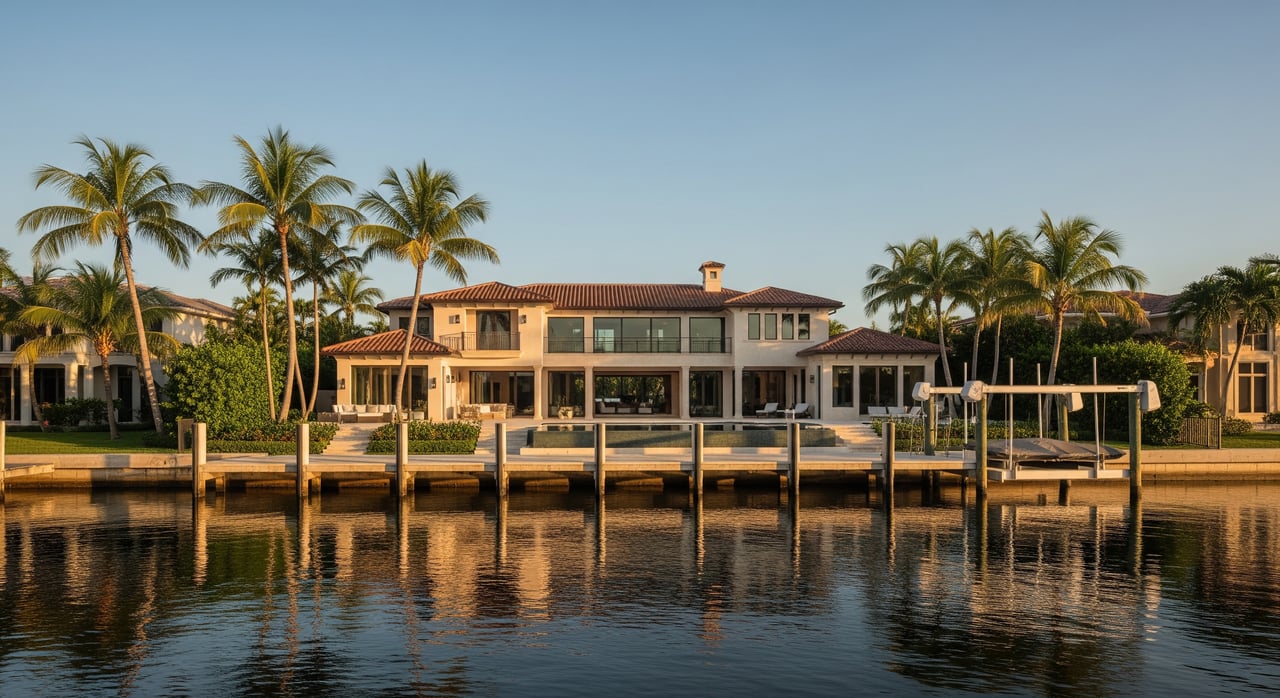
Port Royal is a waterfront luxury enclave in Naples with limited inventory, deep‑water access, and large estate lots. Buyers are often domestic and international high‑net‑worth individuals, family offices, or second‑home seekers who value privacy and speed. Because these homes are unique, many sales occur either as fully public luxury listings or via private, off‑market introductions to vetted buyers.
In a private sale, you still need a strong valuation story. Lenders and insurers may scrutinize appraisals due to limited comparable sales, so your team should assemble a documented set of comps, a broker opinion of value, and, when appropriate, a third‑party appraisal. This helps you defend price and navigate any financing requirements.
Choose your path: private vs public exposure
Your first decision is how visible the listing will be. Each path serves a different goal.
- Public exposure: Maximizes reach and can create competitive pressure. It also increases showings, attention, and the risk of unwanted publicity.
- Private exposure: Limits access to qualified buyers only. It protects identity and property details while relying on curated networks rather than broad advertising.
MLS rules matter. The National Association of REALTORS Clear Cooperation Policy requires MLS submission when a property is marketed to the public in many associations. Private marketing that is not public advertising can be permitted when handled correctly. Your agent should verify local MLS requirements and document why a limited marketing plan is in the estate’s best interest. That record supports fiduciary decision‑making for beneficiaries.
Authority and paperwork for estate sellers
The correct authority depends on how title is held.
- Probate estate: If the decedent owned the home individually and it is part of probate, the personal representative typically secures Letters of Administration and follows fiduciary duties. Some situations require court approval of the sale. Your attorney will advise on what the court must authorize and when.
- Trust or LLC: If title sits in a living trust or an LLC, the trustee or authorized manager may be able to sell without probate filings. Title vesting governs who signs and which documents are needed.
Disclosure obligations apply. Florida requires seller disclosures of known, material facts. Fiduciary sellers can have different obligations or exemptions, so coordinate with probate counsel to determine which forms and statements are required for your situation. Florida has no state personal income tax and no state estate tax, but federal estate tax rules may apply based on estate size. Many estates benefit from a step‑up in basis at death, which affects capital gains on a later sale. Engage legal and tax advisors early to confirm timing and treatment.
Remember that deed recordings are public in Collier County. If you prefer reduced public association, your advisors may suggest legally appropriate structures. Any change in ownership or closing approach must align with tax and legal guidance.
A discreet marketing plan that works
A private sale still needs a plan. The goal is to reach the right buyers without inviting unnecessary exposure.
- Curated networks: Leverage invite‑only broker showcases and private broker networks. Established luxury affiliations and regional relationships can match you with known, qualified buyers without broad advertising.
- Controlled materials: Use teaser packets that omit exact addresses, interior layouts, or sensitive details. Watermark media and distribute through the agent’s inbox to designated contacts only.
- NDAs and data rooms: Release full property information only after NDAs are signed. Host documents in a secure, encrypted portal with access logs.
- Concierge virtual options: Provide high‑quality virtual tours for vetted buyers. This is often the first step before any in‑person access.
- Private previews: For top prospects, hold by‑invitation showings on a tight schedule to limit foot traffic and maintain control.
For fiduciaries, document every marketing decision and distribution list. The file should show that you balanced privacy with a commercially reasonable effort to maximize value for beneficiaries.
Buyer vetting and risk controls
Your buyer pool may include family offices, LLCs, or cross‑border purchasers. That makes vetting essential.
- Proof of funds: Require current bank or investment statements, with sensitive numbers redacted as appropriate, and verify escrow readiness.
- Representation: Confirm buyer’s attorney, family office contact, and agent credentials.
- Source of funds: Be prepared to request documentation, especially for high‑value or entity buyers. Title companies and banks conduct Know‑Your‑Customer and anti‑money‑laundering reviews and may ask for beneficial ownership information.
- Wire fraud prevention: Never rely on email‑only instructions. Confirm wiring details via a known phone number, and use secure channels provided by your chosen title company.
- References and track record: Ask for prior closing evidence, professional references, or broker attestations for off‑market experience.
Offer structure can protect privacy. Consider larger earnest money, proof‑of‑funds deadlines, short contingency windows, and closing via a trust or LLC if appropriate under legal and tax guidance.
White‑glove showings and security
Tight controls preserve privacy and protect the property.
- Before showings: Require NDAs, proof of funds, and verified identities. Offer an initial virtual tour to minimize unnecessary travel.
- Scheduling: Limit in‑person access to one appointment at a time, with fixed time blocks and a narrow window of availability.
- On‑site protocol: Escort all visitors with a dedicated estate liaison. Require sign‑in and ID checks. Limit photography and videography to agent‑controlled media only.
- Security measures: Arrange discrete parking, restrict entrance points, and consider on‑site security for VIP previews. Remove or secure sensitive papers and small high‑value items.
- Vendor confidentiality: Ensure photographers, stagers, and cleaners sign confidentiality agreements and have experience working with high‑net‑worth clients.
- Documentation: Keep a log of showings, attendees, NDAs, and any media shared. This record supports your fiduciary file and helps manage risk.
Transaction structure and timelines
Plan for a clean, efficient closing that fits your legal path.
- Title and authority: Confirm vesting and executor or trustee signing authority before launch. If court confirmation is required, build that calendar into the plan.
- Pre‑shared diligence: Create a data packet with surveys, inspections, utility details, HOA documents if any, and valuation materials. This enables shorter contingency periods and fewer intrusions.
- Offer terms: Target offers with strong earnest money, minimal contingencies, and short timelines. As‑is contracts are common for estates, but clarity and expectations must be set up front.
- Escrow and title: Choose a title and escrow partner experienced in large transactions, probate or trust signings, and cross‑border funds.
A typical private sequence looks like this: confirm authority and assemble the data room, launch controlled outreach to vetted brokers and buyers, schedule virtual previews, host by‑invitation showings, and invite best‑and‑final offers within a defined time frame. If court confirmation is needed, the executed contract proceeds to approval, followed by closing.
Key metrics to keep you in control
Measurable checkpoints help you judge whether a private campaign is working without going public.
- Vetted buyers and NDAs signed: Track the number of NDAs versus in‑person showings. A high ratio of NDAs to showings suggests quality screening.
- Time to first qualified offer: Measure days from launch to first serious offer to gauge market response.
- Distribution vs inquiry: Compare the number of private outreach contacts to inbound inquiries to spot where interest is strongest.
- Offer quality: Track earnest money as a percentage of price, percentage of all‑cash offers, and average contingency removal days.
- Pricing performance: Monitor final sale price as a percentage of the broker opinion or target number.
- Security incidents: The goal is zero. Log and resolve any confidentiality or tech issues immediately.
- Time to close: Track days from contract to closing and any court or probate milestones.
Regular written updates that include these metrics keep beneficiaries informed and build confidence in the process.
What to expect with The Jana Caudill Team
You deserve a partner who pairs quiet precision with reach. The Jana Caudill Team brings nearly three decades of experience, more than $1B in career sales, and a consistent top‑1% national ranking. In Southwest Florida, the team focuses on luxury coastal properties and maintains curated relationships with qualified buyers and agents who value discretion.
Your sale benefits from a role‑based service model that includes a listing manager, transaction coordinator, and inside sales support, plus lender and vendor partnerships tested in high‑value closings. The team’s private marketing systems combine controlled collateral, invite‑only previews, and concierge virtual tours with documented vetting and security protocols. For executors and trustees, you can expect a probate‑aware approach, coordination with counsel, and measurable updates designed for beneficiary reporting.
Next steps for a discreet Port Royal sale
- Confirm title and authority with your attorney. Identify whether probate, trust, or LLC documents will govern the sale.
- Align on privacy goals and exposure tolerance. Decide on private, public, or hybrid outreach.
- Build your valuation file. Assemble comps, a broker opinion of value, and any recent inspections or surveys.
- Approve the vetting and security plan. Set NDA terms, proof‑of‑funds standards, and showing protocols.
- Launch a controlled campaign. Start with curated broker outreach, secure data rooms, and high‑quality virtual previews.
Ready to talk through your options confidentially? Start with a private consultation and a pricing discussion tailored to your goals. Connect with the team at the Jana Caudill - Florida Site to get started.
FAQs
Can I keep a Port Royal sale off the MLS and still comply with rules?
- Yes, private marketing is possible when handled correctly; your agent should verify local MLS and Clear Cooperation requirements and document why a limited strategy serves the estate’s best interests.
What authority do I need as a personal representative in Florida?
- If the home is in probate, you typically need Letters of Administration and may need court approval for the sale; your attorney will guide timing and required steps.
Do fiduciary sellers have different disclosure obligations?
- Florida requires disclosure of known, material facts, and fiduciary sales can have specific obligations or exemptions, so coordinate with counsel to use the correct forms and language.
How does a private sale impact pricing in Port Royal?
- Privacy can limit broad competition, but a targeted private campaign supported by strong valuation documentation can achieve market value with the right vetted buyer pool.
What are the biggest security risks in a luxury estate sale?
- Common risks include wire fraud, unauthorized photography, unwanted publicity, and identity exposure, which you mitigate with secure wiring protocols, NDAs, controlled showings, and vetted vendors.
How do you verify buyers without revealing the seller’s identity?
- Require proof of funds and NDAs up front, then share property and identity details through secure channels and only with verified buyer representatives and title partners.
How should we plan timelines if probate is involved?
- Build extra time for court approvals if required and coordinate marketing and contract milestones with the probate calendar to avoid delays.