Thinking about a tower home in Bonita Bay but not sure which building, view, or floor fits you best? You are not alone. High-rise options here vary widely by orientation, amenities, and association rules, and the best match depends on how you plan to live. This at-a-glance guide gives you a practical framework to compare towers, understand views and costs, and build a shortlist before you tour. Let’s dive in.
Bonita Bay high-rise basics
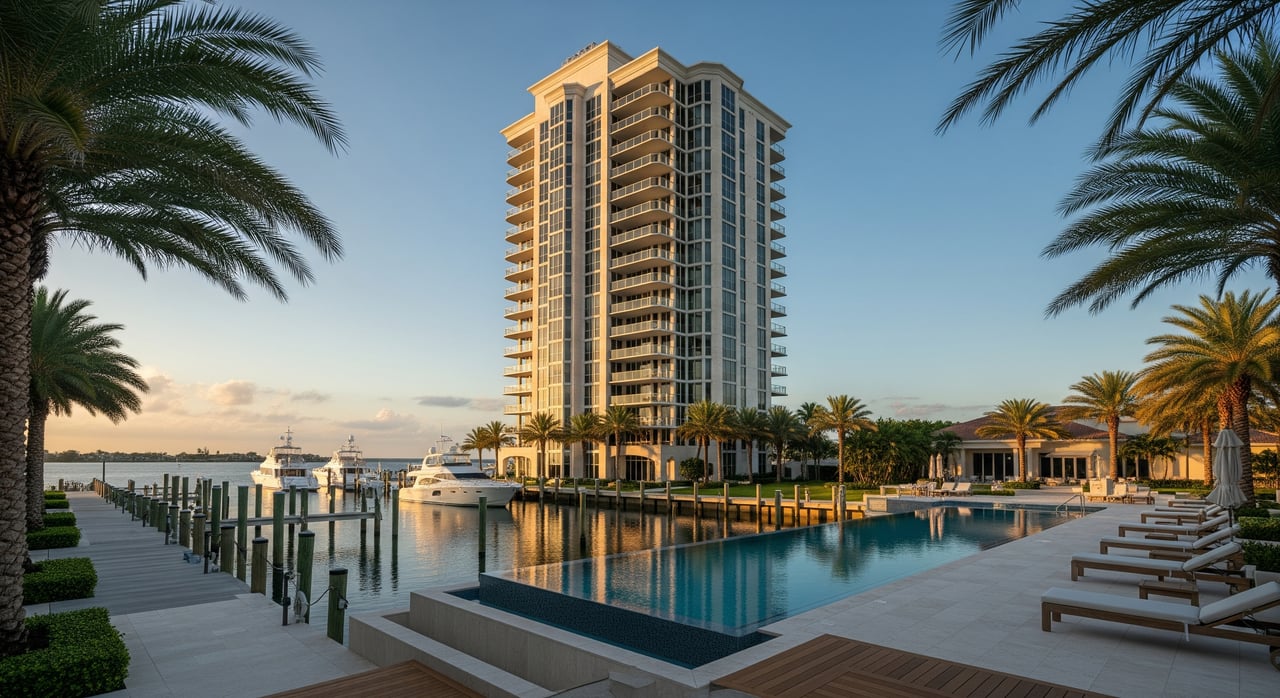
Bonita Bay sits in Bonita Springs, Lee County, and blends single-family homes, villas, and condominiums within a gated, master-planned setting. The high-rise buildings are multistory condominiums with elevator access, secured entries, and stacked units. Layouts range from smaller one-bedrooms to large multi-bedroom residences and penthouses.
These towers are governed by condominium associations. You will want to review HOA dues, reserve funding, rental and pet policies, special assessments, and insurance details. Bonita Bay also offers community-wide amenities and access to optional club memberships, which is a major lifestyle draw.
Seasonality matters. Southwest Florida condo markets often see peak buyer activity in winter and spring. Bonita Bay attracts buyers who want an amenity-rich, club-oriented community and marina access, often at prices that compare favorably with some ultra-premium beachfront towers farther south.
Views and orientation: what to know
Understanding view categories helps you set priorities and budget.
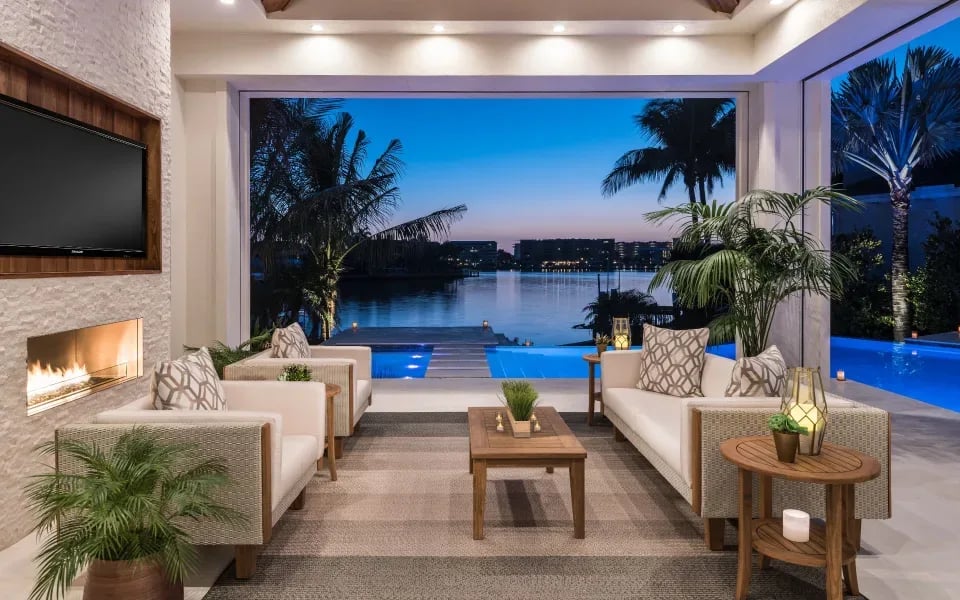
- Gulf or open-water outlooks: Distant Gulf views across Estero Bay can bring dramatic sunsets and typically command a premium.
- Bay and waterway views: Broader water scenes, birdlife, and boating activity. Value depends on how open the water is and navigability.
- Preserve and greenbelt views: Mature landscaping and wildlife with added privacy and quieter settings. Often more moderate pricing than direct water.
- Community and amenity views: Pools, courtyards, and neighboring buildings. These are usually the value-driven options within a tower.
Orientation affects daily life:
- West-facing: Sunset skies and warmer afternoon light, with potential for more salt spray and wind exposure.
- East-facing: Calmer mornings, sunrise light, and cooler afternoons.
- Noise: Units near amenity decks or roadways may be livelier during the day. Preserve-facing stacks are usually quieter.
- Resale: Higher floors and stronger water views typically sell at a premium, though exact pricing depends on building and market timing.
Price bands and key cost drivers
Think in tiers rather than hard numbers, since pricing changes with market cycles and each building’s condition:
- Entry level: Smaller 1 to 2 bedroom homes on lower floors or with limited views.
- Mid range: 2 to 3 bedroom plans on moderate floors with bay or preserve outlooks.
- Premium: Higher floors, direct Gulf or broad water views, larger footprints, and penthouses.
Beyond price, consider total cost of ownership:
- HOA dues: High-rises carry building insurance, elevators, security, landscaping, and amenity upkeep. Dues vary by tower and amenity level.
- Property taxes: Lee County tax rates apply. Check recent assessments for the specific unit you are considering.
- Insurance: Most owners carry an HO-6 policy. Master policy structure and wind deductibles can influence your premium. Flood requirements depend on FEMA flood zone and elevation.
- Utilities and services: Some towers include elements like water, cable, or internet in dues. Verify line items.
- Special assessments and reserves: Review budgets, reserve studies, and meeting minutes to understand financial health and potential future assessments.
Amenities by tower: how to compare
Not all towers deliver the same experience. Common features may include a staffed or secured lobby, fitness center, resort-style pool and spa, social rooms, and secure parking with storage. Some have private elevator access or on-site management, and many offer convenient proximity to the community marina and club facilities.
What to evaluate:
- Exclusivity and access: Which amenities are building-specific versus community-wide.
- Condition and era: Newer buildings often have updated mechanicals and contemporary finishes.
- Staffing and hours: Full-time on-site staffing can add convenience and cost.
- Club tie-ins: Access to Bonita Bay Club is typically optional and separate. Confirm membership availability and terms if that is a priority.
Impact on value:
- More extensive or staffed amenities usually raise dues but can also improve resale appeal and rental potential.
- Maintenance-heavy systems, like elevators and pools, should be reflected in reserves. Healthy reserves reduce risk of unexpected assessments.
Shortlist your match in three steps
Create a fast, focused shortlist before you schedule showings.
- Define non-negotiables
- View preference: Gulf or open water, bay, preserve, or community.
- Size and layout: Bedrooms, den needs, and outdoor living space.
- Budget band: Entry, mid, or premium within your chosen towers.
- Filter the building list
- Floor preference: Higher for views and privacy, lower for ease and value.
- Age and condition: Newer construction for modern systems, or older buildings that may be renovated and value-forward.
- HOA rules: Pet policies, rental minimums, and any age restrictions.
- Access needs: Boat slip availability, proximity to the marina, or club access.
- Parking and storage: Assigned garage spaces and storage lockers.
- Risk and readiness check
- Insurance posture: Master policy type and wind deductible.
- Reserve health: Recent budgets and reserve studies.
- Assessments history: Any large past or pending projects.
Score or rank each tower on these items to surface your top three candidates.
Your tour-day checklist
Use this list to make the most of in-person tours.
- Common areas: Look at the condition of lobbies, hallways, elevators, and amenity spaces for consistent upkeep.
- Orientation: Confirm compass direction, view corridors, and sightlines to neighboring buildings for privacy.
- Balconies and glass: Check balcony condition, drainage, enclosure status, and whether windows are impact-rated.
- Noise and acoustics: Note proximity to elevators, mechanical rooms, or pool areas. If possible, visit at different times.
- Parking and access: See where your assigned space is relative to entries and evaluate guest parking.
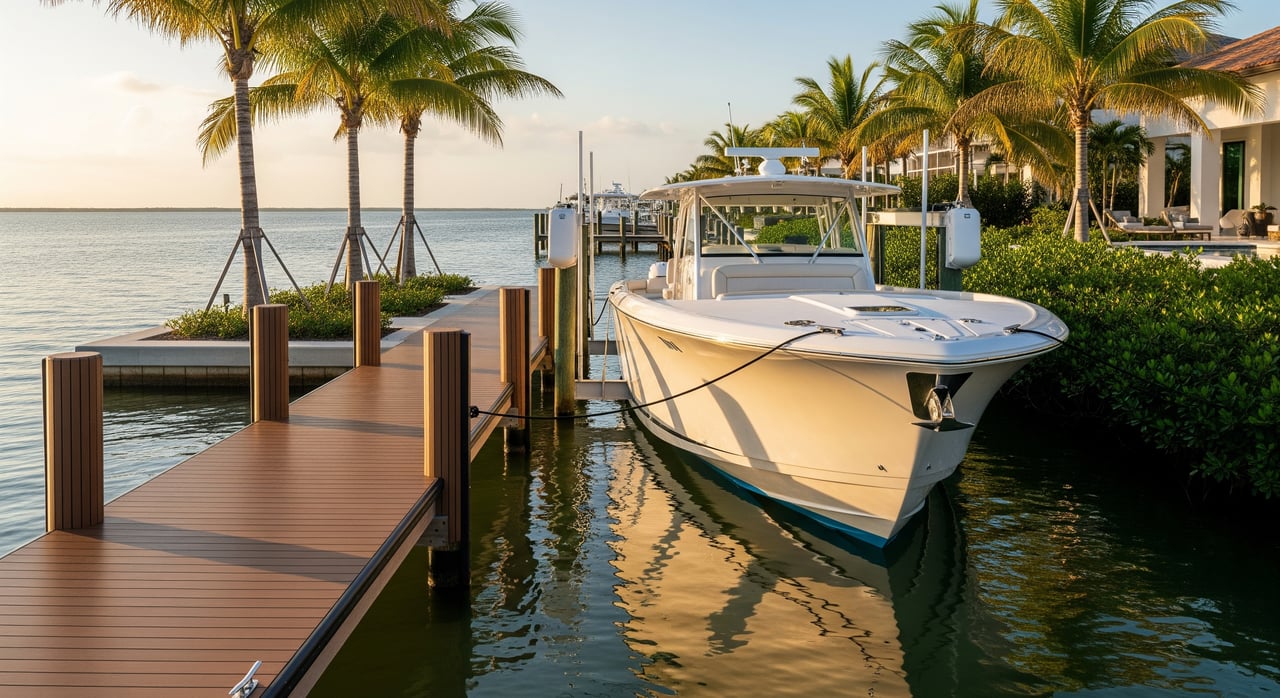
- Marina and boating: If boating matters, ask about slip ownership versus rental, waitlists, and maintenance history.
- Structural history: Request documentation on recent inspections, roof or garage work, and elevator modernization.
- Governance: Ask for the association budget, reserve study, rules and regulations, meeting minutes, and financial statements.
- Rentals: If you plan occasional rentals, confirm minimum lease terms, rental caps, and historical occupancy patterns.
- Insurance and flood: Understand master insurance details, wind deductibles, and flood zone designation.
- Neighborhood feel: Map your proximity to shopping, healthcare, airport access, and your typical routes to Bonita Springs and Naples destinations.
Bonita Bay vs. Naples beachfront towers
Choosing between these lifestyles comes down to your top priority.
- Price and prestige: Naples beachfront towers often command higher per-square-foot pricing and carry strong prestige branding. Bonita Bay is generally more value-forward while still delivering a luxury experience.
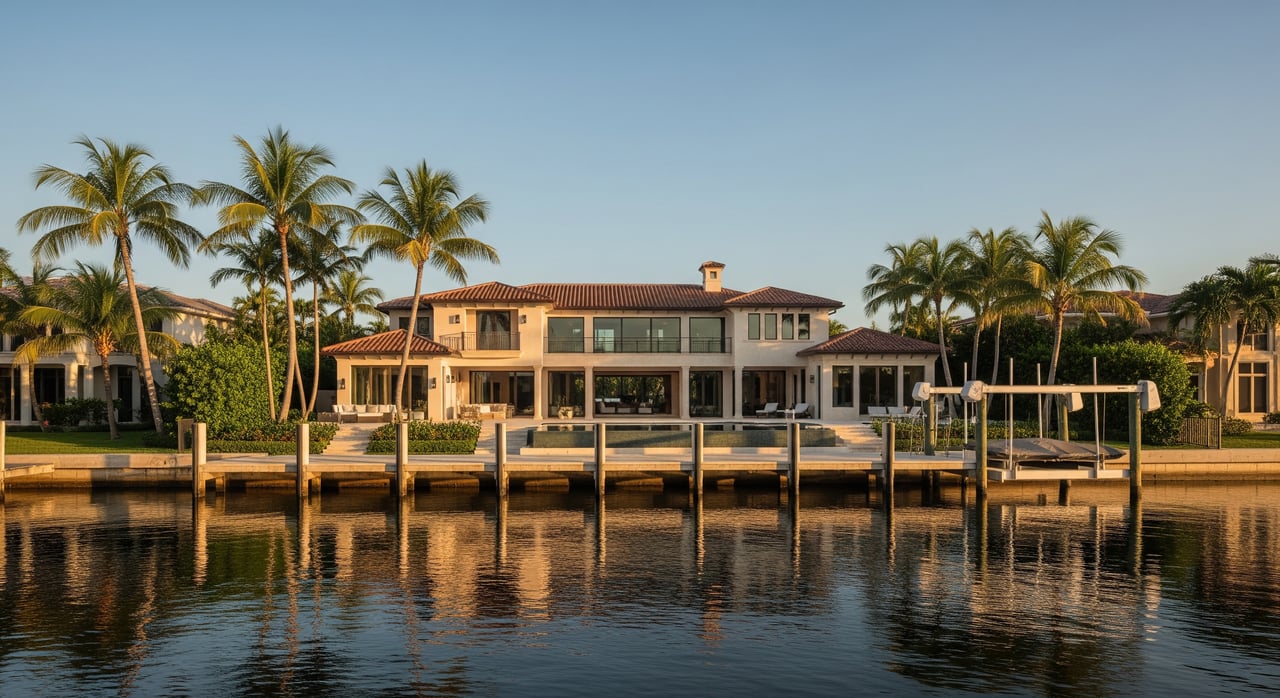
- View and access: Naples towers may be directly beachfront with private sand access. Bonita Bay towers more often face bays, preserves, and intracoastal waters, with integrated marina and golf access.
- Lifestyle: Bonita Bay offers a club and community-centered lifestyle within a larger master plan. Beachfront Naples towers deliver a concentrated beachfront experience with tower-focused amenities.
- Investment: Beachfront Naples condos can have powerful resale histories but higher entry and carrying costs. Bonita Bay can be compelling on value and lifestyle balance.
Timing your move
Expect peak interest in winter and spring. If you are touring in-season, come prepared to act on well-matched units. Off-season can offer more breathing room and potentially more negotiation flexibility, but available inventory may differ. Either way, having your shortlist and documents ready will position you to move quickly when the right home appears.
Governance, rules, and risk controls
Before you write an offer, confirm the details that shape your experience and costs:
- Rental rules: Minimum lease terms and any rental caps.
- Pet policies: Size, breed, and count limits, if any.
- Insurance: How the master policy handles wind and what deductibles owners may share.
- Reserves and assessments: Current reserve levels, planned projects, and the history of special assessments.
Well-funded reserves and clear policies reduce surprises and support long-term resale value.
Next steps: build confidence before you tour
- Clarify your top three priorities: view, layout, and budget band.
- Pre-select 3 to 5 towers that match your rules and amenity profile.
- Request association budgets, reserve studies, and rules in advance.
- Obtain preliminary insurance guidance for the buildings on your list.
- Schedule a curated high-rise tour with a local expert who understands the nuances of each stack and view orientation.
If you want a guided, efficient process that respects your time and goals, we can help you shortlist and compare towers side by side. Connect with our team to plan a focused tour and receive the association and insurance details you need to feel confident.
Ready to take the next step? Reach out to the Jana Caudill - Florida Site to compare towers, set tour dates, or request a complimentary home valuation.
FAQs
What types of views do Bonita Bay towers offer?
- Expect a range from distant Gulf and open-water vistas to bay waterways, preserves, and community or amenity outlooks, each with different pricing and lifestyle trade-offs.
How does unit orientation affect daily living and resale?
- West-facing stacks bring sunsets and stronger light, east-facing stacks bring cooler afternoons; higher floors and stronger water views often carry resale premiums.
What ongoing costs should I budget for in a Bonita Bay high-rise?
- Plan for HOA dues, property taxes, an HO-6 policy, and potential flood coverage, plus utilities as defined by the association and any special assessments.
Which amenities vary most between towers?
- Lobby staffing, fitness and pool quality, social rooms, elevator access, parking and storage options, on-site management, and proximity to the marina or club facilities.
How do I compare Bonita Bay towers to Naples beachfront buildings?
- Naples towers often provide direct beach access and higher prestige pricing, while Bonita Bay balances value with marina, golf, and a master-planned lifestyle.
What should I review in an association before making an offer?
- Ask for the budget, reserve study, rules and regulations, meeting minutes, financials, and details on master insurance and any past or pending assessments.
When is the best season to shop for a Bonita Bay condo?
- Winter and spring see peak activity, so be ready to move quickly; off-season can provide more time to evaluate, depending on inventory.