Will your boat actually make it from your dock to the Gulf on Marco Island without a headache? If you are exploring a second home or condo with a slip, that is the question that shapes your search. You want smooth water, minimal surprises, and confidence that your vessel fits the route. In this guide, you will learn how bridges, tides, canal types, and dock rules affect everyday boating on Marco Island in Collier County. You will also see what to verify in South Seas, Esplanade, and The Estates before you buy. Let’s dive in.
Gulf access types on Marco Island
Buying on the water here is about matching the property’s water to your boat. Not all canals and basins offer the same depth or clearance, and some options rely on shared facilities.
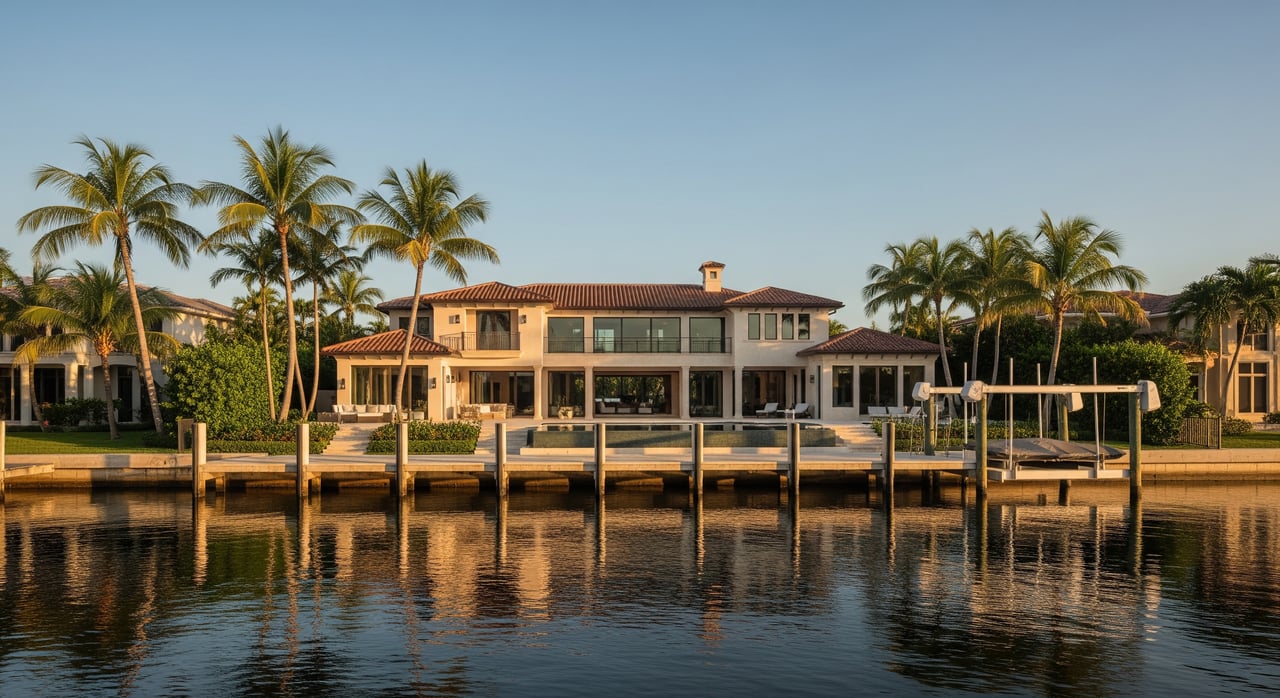
Direct deep-water lots
These homes sit on wider, dredged canals or basins that flow to the Marco River or Blackwater Sound and then out to the Gulf. They tend to suit larger powerboats and can reduce travel time to open water. Always confirm canal depth at mean low water and check for any known shoaling.
Shallow canals and mangrove creeks
Some canals are narrower and shallower, or they transition into natural mangrove creeks. These areas feel protected and quiet. They are typically better for smaller runabouts, flats boats, and kayaks. Beam and draft limits can apply, so verify usable water depth along your intended route.
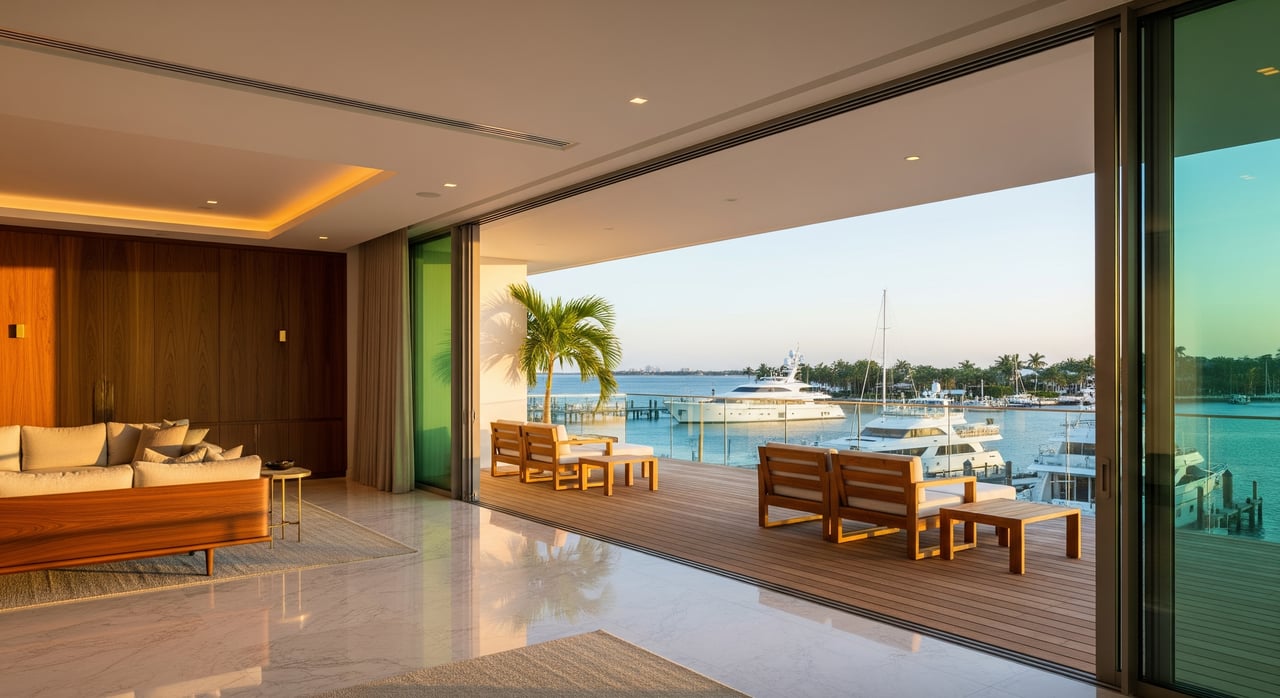
Condominium or marina slips
Condo buyers often rely on assigned slips in protected basins. Managed marinas make daily boating simple and may offer fuel or pump-out. Expect limits on length, beam, and draft, plus waitlists. Review association rules in detail before you commit.
Public launching alternatives
If a property’s dock or canal will not fit your vessel, you can still enjoy the water by trailering to nearby public ramps or leasing a slip. Build this option into your long-term plan if bridge clearance or depth will be tight.
Match your boat to the water
Think in four measurements: length, beam, draft, and air draft. Draft controls whether you can pass at low tide without touching bottom. Air draft is the highest fixed point on your boat above the waterline and determines if you clear bridges. The only way to be sure is to measure your vessel and compare it to verified depths and published bridge clearances for your route.
Tides, depth, and timing
Southwest Florida tides are generally small. Daily ranges are often about 1 to 2 feet, which may sound minor. In shallow canals, that small change can decide whether you can leave at low water. Shoaling and seasonal sediment can also shift usable depths between dredges.
What to do next:
- Check local NOAA tide tables for the nearest station when planning transits.
- Request a current depth sounding or survey at mean low water for the lot and your route.
- Ask neighbors and marina managers about recent shoaling or dredging.
Bridge clearances and routes
Marco Island routes include multiple fixed bridges and causeways. Clearances vary. Never assume a tall flybridge or sailboat mast will pass under all crossings.
How to verify:
- Measure your air draft to the highest fixed point.
- Review published bridge clearances on official nautical charts and notices to mariners.
- Confirm the clearance datum. Some figures are referenced to mean high water and others to a different standard, which changes the usable clearance.
- If clearance is tight, consider alternatives like a downstream marina slip, a different route, or a lower-profile vessel.
Canal and shoreline types
Different canal builds behave differently in wind, tide, and storm events. They also carry different maintenance realities.
Dredged, bulkheaded canals
These canals are common in developed waterfront areas. Seawalls are usually concrete or vinyl with rock. Water is often deeper and more consistent than natural creeks, but depths can vary block to block. Obtain a professional seawall and dock inspection to understand immediate and long-term costs.
Natural mangrove or tidal creeks
These waters are softer-bottom and more variable. They can be scenic and protected from chop. Draft and beam can be limited, and environmental protections often apply. Ask about seagrass or oyster presence that may restrict dredging or dock expansion.
Basin marinas
Basin areas in front of condos or marinas are usually dredged and maintained. Access is simple and protected, yet slip and draft limits, plus rules on guests or rentals, are common. Verify slip assignment history and waitlist policies.
Seawalls and erosion control
Seawalls can be concrete, vinyl sheet pile, or rip-rap. Their age, elevation, and condition affect shoreline stability and insurance. Typical failure modes include undermining, cracking, and pile corrosion. Replacements or major repairs require permits and coordination.
Key steps:
- Order a professional seawall inspection and a written estimate for any repairs.
- Review recorded easements or cost-sharing agreements with neighbors or an HOA.
- Confirm permit requirements at the county level and, when in state waters, with state and federal agencies.
Environmental rules to know
Marco Island’s coastal habitats are protected. Mangroves, seagrass beds, and oyster bars require careful planning when adding or modifying docks. Trimming mangroves or placing new piles often needs permits. Speed limits, no-wake areas, and manatee protection zones are posted and enforced. If you hope to deepen a private canal or basin, understand that dredging typically needs approvals and can require mitigation.
Docks, lifts, and marina operations
Your dock is a structure, not just a platform. Proper design and documentation save money and stress over time.
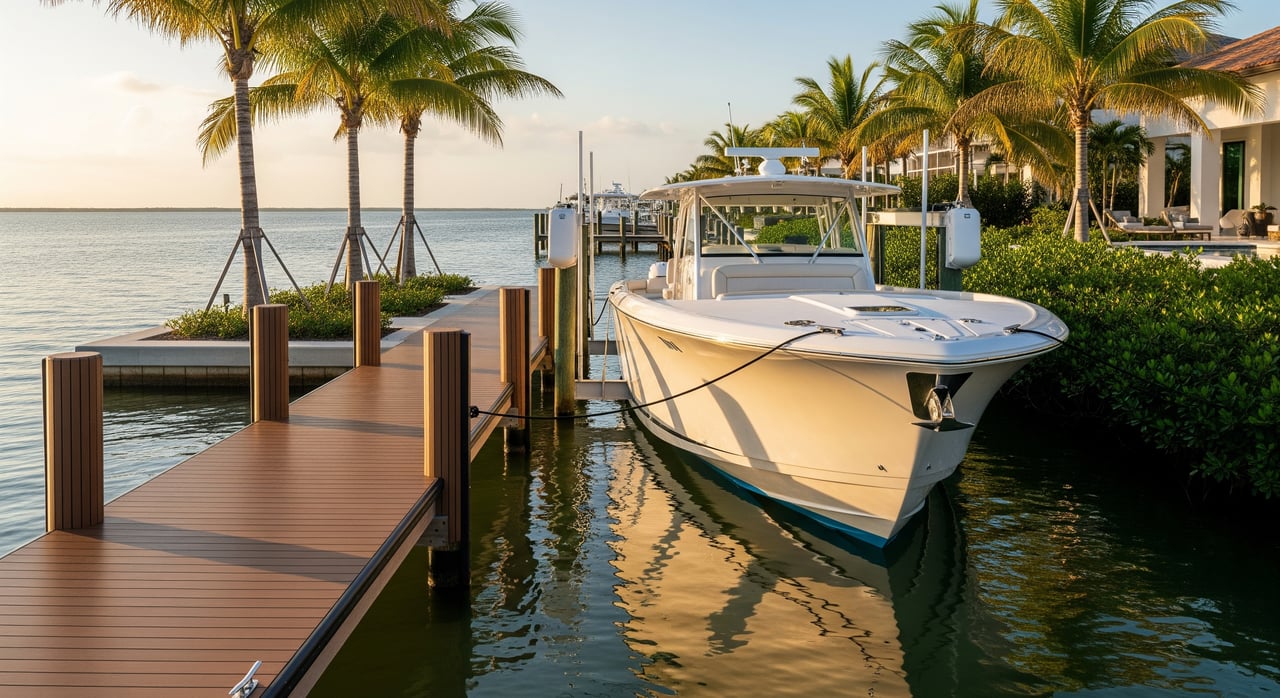
Common dock setups
- Fixed docks with pile supports and composite or wood decking.
- Floating docks that adjust with tide. Helpful where water level varies.
- Boat lifts sized to your hull weight and beam. Always confirm rating and age before use.
- Utilities like shore power and potable water. Some locations offer pump-out.
Permits and records
Ask for as-built drawings, permit history, and any code updates since construction. Work that touches state waters or navigable waters can require multiple approvals. Keep all records, since future changes or insurance carriers may ask for them.
Insurance and hurricane prep
Dock and boat insurance in Florida considers wind exposure, seawall condition, and build quality. Older docks might not meet current standards for wind loads. Create a hurricane plan that covers how to secure or remove your boat, the lead time for haul-out, and any marina procedures.
Maintenance and ongoing costs
Budget for seawall, dock, and lift maintenance. If your frontage or neighborhood canal has shoaling, ask about dredging history and who pays. For condo or marina slips, review fees, special assessments, and utility charges.
Micro-areas to compare
Neighborhoods can shift quickly from deep, direct routes to shallow creeks. Use these patterns as a starting point, then verify the specifics for each parcel.
South Seas area
You will find many single-family waterfront homes on canals that connect quickly to wider channels. Some sections are wide and dredged, while others are narrow or tidal and better for small boats. Check depth at mean low water, whether the lot faces a main channel or a side creek, and any neighborhood dredging agreements.
Esplanade and condo marina zones
Condominium communities often include protected basins with assigned slips. Access is easy and shielded from weather. Expect rules on maximum vessel length, beam, and draft, plus slip waitlists. Review association documents for guest policies, transient use rules, and fees before you buy.
The Estates
Larger lots with private docks and deeper frontage are common. Routes to the river and Gulf can be efficient, which makes these areas attractive for bigger vessels. Buyers typically carry responsibility for seawall and dock maintenance. Verify riparian rights, any private channel easements, and the structural condition of waterfront improvements.
Buyer due diligence checklist
Before you close, gather documentation and confirm details in writing. Use this list as your roadmap.
- Navigation and vessel fit
- Request a current depth sounding or survey at the property and along your route at mean low water.
- Pull published chart and bridge clearance data for your intended route.
- Compare your boat’s draft and air draft to verified depths and clearances. Confirm the tide datum used in those figures.
- Title, easements, and riparian rights
- Run a title search for riparian rights and any recorded dock or seawall easements.
- Check for restrictions on boat size, mooring, or commercial use.
- Seawall and dock condition
- Order an independent seawall inspection with repair or replacement estimates.
- Get a marine survey of the dock, piles, connections, lift, and electrical.
- Obtain copies of original permits and all repair permits.
- Permits and environmental constraints
- Confirm county permit status for existing structures and check for any code issues.
- Ask about past or planned dredging, the permit status, and who pays.
- Review state and federal permit history for over-water work, and whether mangroves or seagrass will affect your plans.
- Insurance and flood exposure
- Obtain quotes for dwelling, seawall or dock, and your boat’s hull and wind coverage.
- Review FEMA flood maps and any elevation certificates to understand flood insurance considerations.
- HOA, condo, and marina rules
- Read association documents on slip size limits, guest slip use, rental policies, and assessment history.
- Confirm utility costs and any special rules for maintenance or storage.
- Local knowledge and operations
- Speak with marina managers, local captains, and neighbors about shoaling, seasonal winds, and dredging history.
- Verify haul-out capacity, mechanical support, fuel availability, and pump-out options.
- Safety and regulatory
- Confirm local speed zones, no-wake areas, and manatee protection zones along your route.
- Ask about any submerged hazards or cables.
- Contingency planning
- If your vessel will not fit long term, identify marinas or storage alternatives and expected costs.
- Build a hurricane season plan that includes haul-out timelines and staging procedures.
Putting it all together
The best Marco Island water experience starts with a clear match between your boat and your home’s access. Focus first on depth at mean low water, bridge clearance relative to your air draft, and the condition and permits for the dock and seawall. Then confirm association rules, insurance, and local operating realities. With these pieces in place, you enjoy easier days on the water and fewer surprises after closing.
If you want a guided, time-saving search, our team curates property shortlists and on-the-water perspectives for second-home and luxury buyers. Tap into local knowledge, a proven process, and a track record of high-end waterfront transactions. For a private consult or to plan a waterfront tour, connect with the team at the Jana Caudill - Florida Site.
FAQs
What should boaters know about Marco Island bridge clearance?
- Measure your air draft, verify each bridge’s published clearance and datum, and compare the two at the expected tide level before committing to a route or a property.
How much do tides affect canal access on Marco Island?
- Tides are usually about 1 to 2 feet, but that small range can determine pass or no pass in shallow canals, so plan transits with local tide tables and a depth survey.
What are the main canal types buyers will see on Marco Island?
- You will encounter dredged bulkheaded canals, natural mangrove creeks, and condo or marina basins, each with different depth, environmental, and maintenance realities.
What permits are common for docks and seawalls in Collier County?
- Dock and seawall work typically needs county permits and, for work in state or navigable waters, approvals from state and federal agencies with full documentation.
What should condo buyers verify about Esplanade or marina slips?
- Confirm slip length, beam, and draft limits, waitlist status, guest and rental rules, fees, and any special assessments or maintenance obligations.
How can I prepare my dock and boat for hurricane season on Marco Island?
- Review insurance requirements, confirm pile embedment and hardware condition, and secure a plan for tying, removal, or haul-out with clear lead times and procedures.